
Canopy Management That Reduces Storm Damage Risk
Tree Trimming & Pruning in Naples for properties requiring canopy thinning, crown reduction, or structural correction
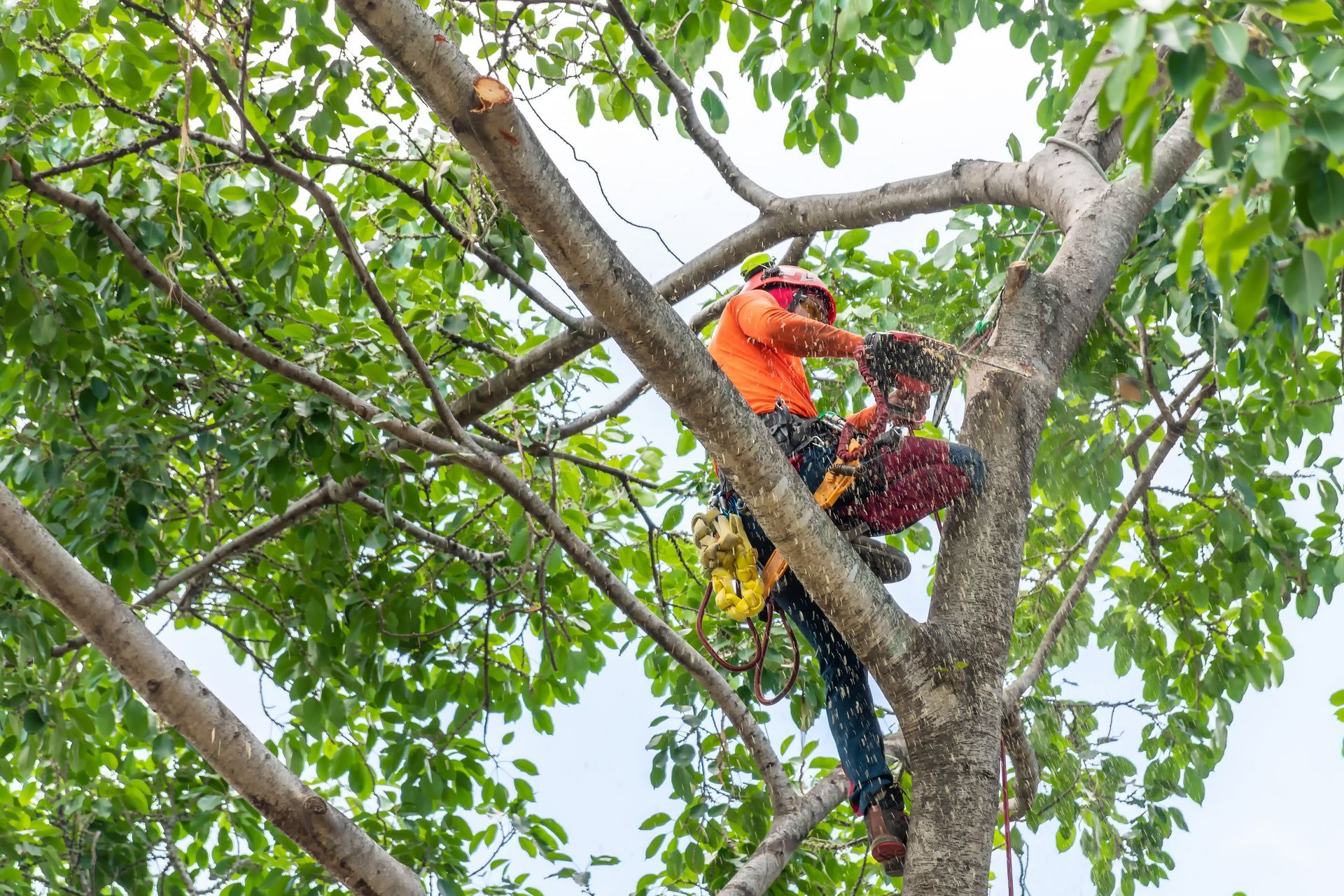
Wind flows through dense canopies unevenly, creating pressure pockets that stress limbs and increase the likelihood of failure during tropical storms. Uncoast Tree Services provides canopy thinning, crown reduction, structural pruning, palm tree trimming, and seasonal maintenance trimming for residential and commercial properties in Naples. Trimming removes weight from overextended limbs, opens the canopy to reduce wind resistance, and eliminates crossing branches that rub and create entry points for decay.
Crown reduction lowers tree height while maintaining natural shape, addressing clearance issues with roofs or power lines without leaving stubs that invite disease. Structural pruning corrects growth patterns in younger trees by removing co-dominant stems and establishing a single central leader. Palm tree trimming removes dead fronds that become projectiles during high winds and creates fire hazards when left to accumulate against trunks.
Arrange a trimming evaluation to identify limbs that require reduction, thinning targets, or structural correction.
How Pruning Addresses Long-Term Tree Health
Proper cuts are made just outside the branch collar, preserving the tree's natural wound-sealing process and preventing decay from entering the trunk. Canopy thinning removes interior branches selectively, maintaining the tree's overall shape while allowing light penetration and air movement. Crown reduction targets the outermost limbs, shortening them back to lateral branches rather than leaving stubs that die back and rot.
After trimming, the canopy appears balanced, with even weight distribution and improved light filtering to the ground level. Trees in Naples pruned before hurricane season handle wind loads more effectively, and the reduced sail area lessens the chance of uprooting or major limb failure. Structural defects are corrected before they develop into hazards that require removal.
Seasonal maintenance trimming addresses new growth that extends beyond desired boundaries or interferes with structures. Palm tree trimming does not include removing green fronds, which remain essential for the tree's energy production and overall health. Pruning frequency depends on species growth rate, site exposure, and proximity to buildings or utilities.
What Property Owners Usually Ask
Trimming decisions depend on tree species, age, and site conditions, so understanding the process helps you evaluate what your trees need.
What is the difference between canopy thinning and crown reduction?
Canopy thinning removes interior branches to reduce density, while crown reduction shortens the overall height and spread by cutting back to lateral branches.
How often should trees be trimmed in Naples?
Most hardwood trees benefit from trimming every two to three years, though fast-growing species or trees near structures may need attention annually.
When is the best time to schedule pruning?
Late winter or early spring allows trees to recover before the growing season, though hazard trimming and storm preparation work can occur year-round as needed.
What should be removed during palm tree trimming?
Only dead, dying, or broken fronds are removed, along with seed pods that add weight and create maintenance concerns beneath the canopy.
How much of the canopy can be removed safely?
Generally, no more than 25 percent of the living canopy should be removed in a single session to avoid stressing the tree and compromising its ability to produce energy.
Uncoast Tree Services tailors each trimming plan to the tree's structure, health, and site requirements. Contact our team to schedule seasonal maintenance or address specific structural concerns affecting your property's trees.