Overgrown Lots Restored to Usable Land
Forestry Mulching & Brush Clearing in Naples for overgrown properties and invasive vegetation removal
Forestry mulching converts dense underbrush, invasive vegetation, and overgrown lots into cleared land using specialized equipment that grinds plant material into mulch rather than requiring burning or hauling. Uncoast Tree Services clears overgrown residential lots where vegetation has spread unchecked, removes invasive species that outcompete native plants and create fire hazards, and opens trails or access roads through wooded areas without the soil disturbance caused by bulldozing. The process leaves a layer of organic mulch on the ground that prevents erosion, suppresses weed regrowth, and decomposes naturally over time rather than leaving bare, exposed soil vulnerable to weather damage.
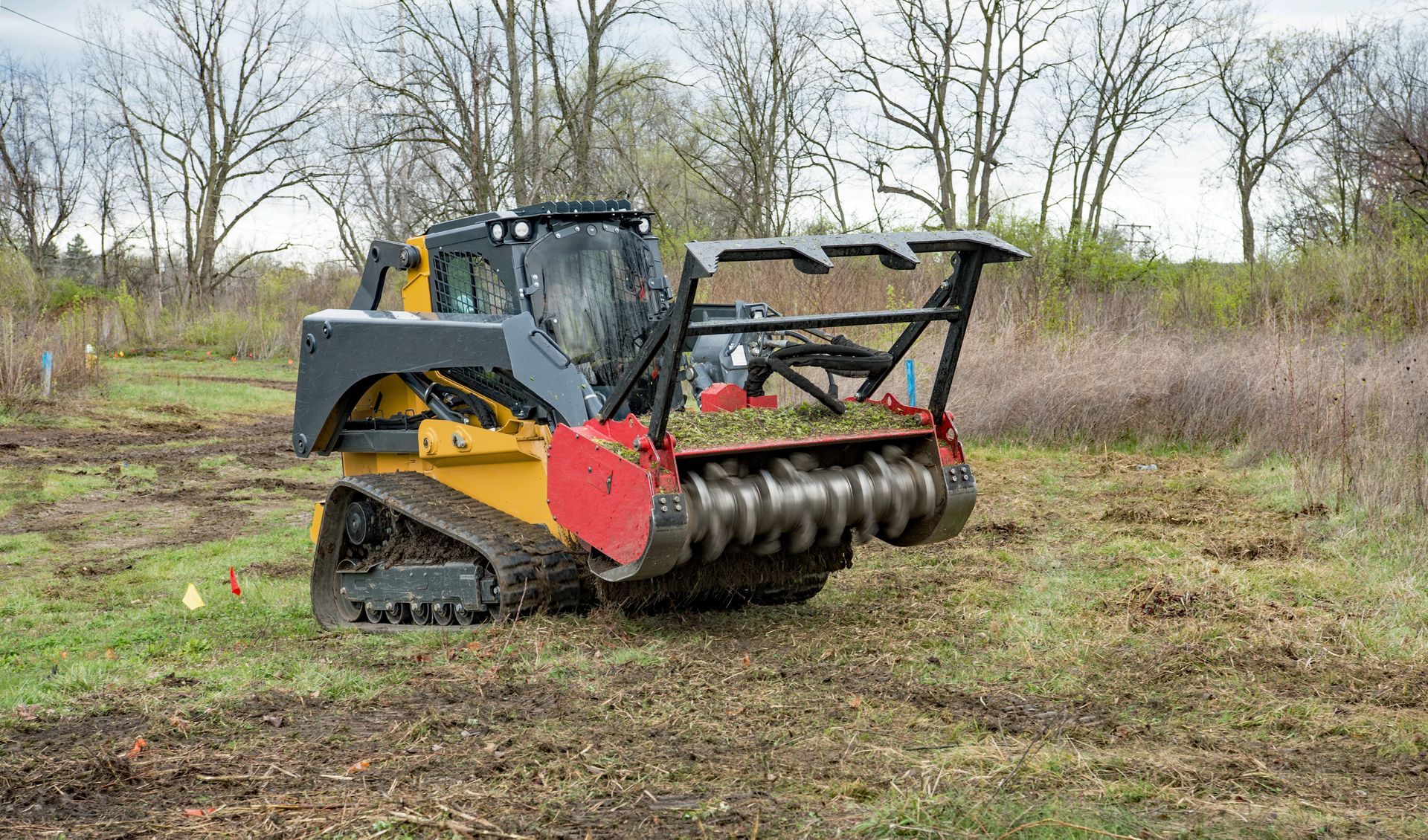
The mulching process uses tracked equipment with rotating drum attachments that cut vegetation at ground level and immediately mulch it into small chips distributed evenly across the cleared area. This approach eliminates the need for separate cutting, piling, and hauling operations while preserving topsoil and root systems that help stabilize the ground after clearing.
Schedule a property evaluation to identify specific clearing needs and determine mulching feasibility for your lot conditions.
Why Forestry Mulching Works for Land Management
Forestry mulching handles underbrush, small trees, and thick vegetation more efficiently than traditional clearing methods that require cutting, raking, piling, and hauling or burning debris. The mulch layer left behind protects soil from erosion during heavy Naples rainstorms, retains moisture in the ground rather than leaving it exposed to sun and wind, and gradually decomposes to add organic matter back into the soil without additional amendment.
After mulching is complete, you'll see cleared land with unobstructed sight lines and accessible ground where vegetation previously blocked entry or created visual barriers. The mulch layer gives the property a finished appearance without bare dirt or debris piles, and weed regrowth is significantly slower compared to areas cleared by other methods that expose seeds to sunlight and disturbed soil. Walking or driving across the property becomes practical again, and you can proceed with landscaping, building, or ongoing land management without first removing piles of cut vegetation.
Mulching works best for vegetation up to several inches in diameter, including brush, saplings, and invasive species with dense growth patterns. Larger trees typically require separate removal before mulching the remaining underbrush, and properties with significant debris like fallen logs or construction waste may need preliminary cleanup before mulching equipment can operate efficiently.
What Property Owners Usually Ask
Landowners considering forestry mulching often want to understand how the process differs from traditional clearing and what condition the property will be in afterward.
What vegetation can forestry mulching equipment handle effectively?
The equipment processes underbrush, saplings, invasive vines, thick brambles, and small trees up to several inches in diameter, grinding everything into mulch without leaving stumps or requiring separate debris removal.
How does mulching prevent erosion better than clearing that removes all vegetation?
The mulch layer covers exposed soil and absorbs rainfall impact that would otherwise wash away topsoil, while the root systems left in place continue holding soil structure until new vegetation establishes or permanent landscaping is installed.
When is forestry mulching preferred over traditional land clearing methods?
Mulching is ideal for properties where soil preservation matters, when hauling debris off-site is impractical or expensive, or where the organic mulch layer provides benefits for future landscaping or erosion control during Florida's rainy season.
What happens to the mulch layer over time after clearing?
The mulch gradually decomposes over several months to a year depending on thickness and climate conditions, enriching the soil while suppressing weed growth during the decomposition period.
How does clearing invasive vegetation with mulching differ from manual removal?
Mulching cuts invasive plants at ground level and grinds them into chips that dry out and decompose rather than resprout, though aggressive species may require follow-up treatment or periodic re-mulching to fully eliminate regrowth from root systems.
Uncoast Tree Services uses forestry mulching for properties in Naples where environmentally conscious land management is a priority and the benefits of leaving organic material on-site outweigh traditional clearing approaches. Arrange an on-site visit to assess your property's vegetation density and clearing objectives.