Hazardous Trees Removed Before Property Damage Occurs
Tree Removal Services in Naples for properties with dead, diseased, or structurally compromised trees
Dead trees lose structural integrity over time, with root systems that no longer anchor the trunk and limbs that dry out and become unpredictable during wind events. Uncoast Tree Services handles hazardous tree removal, dead tree removal, diseased tree removal, and large tree removal across residential and commercial properties in Naples. The work involves rigging systems that control each section of the tree as it's dismantled, preventing damage to structures, utilities, and surrounding landscape features.
Diseased trees often show decay in areas you cannot see from the ground—internal rot that weakens the trunk or root plate damage hidden beneath the soil surface. Removal addresses both the visible tree and the root system to prevent regrowth and eliminate disease sources that could spread to healthy trees nearby. Large tree removal requires crane access, sectional cutting, and controlled lowering to manage weight distribution safely.
Request a hazard assessment to evaluate trees showing signs of decline, structural defects, or proximity concerns.
What Proper Tree Removal Requires
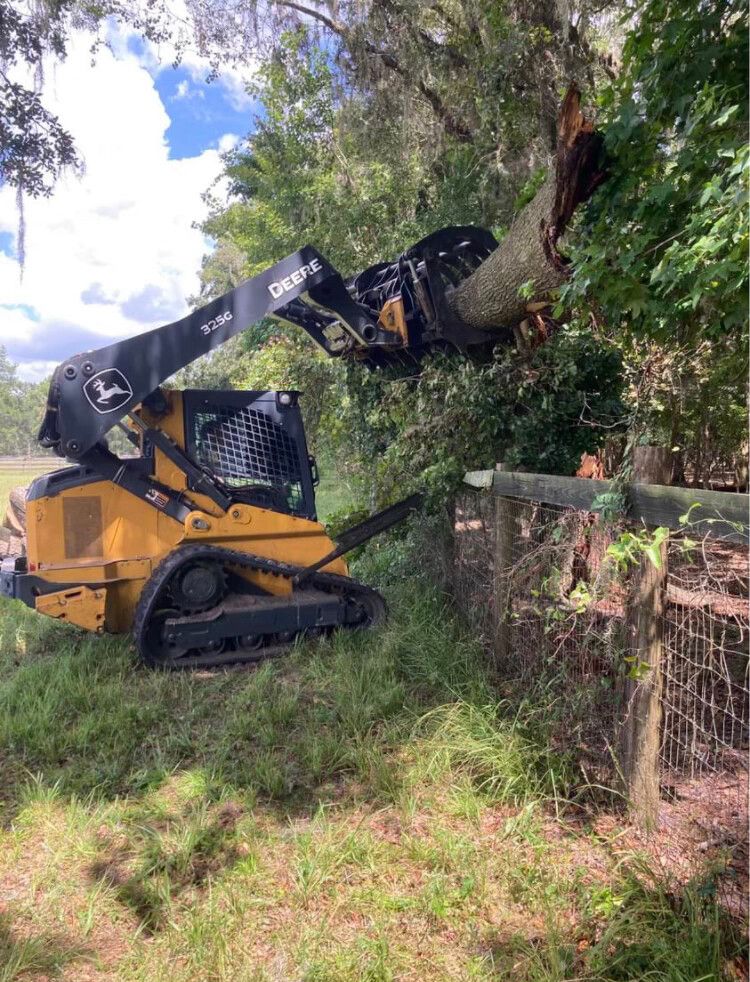
The removal process begins with evaluating lean direction, weight distribution, and nearby obstacles. Climbers section the tree from the top down when crane access is impractical, using rigging ropes to control each cut piece as it's lowered. Ground crews clear debris continuously to maintain safe work zones and prevent property disruption.
Once the tree is removed, the visible stump remains at ground level unless grinding is requested separately. The site is cleared of wood debris, leaving the area accessible for replanting, construction, or landscape changes. Properties in Naples benefit from removal before hurricane season intensifies, when compromised trees become liabilities during sustained winds and heavy rain.
Hazardous tree removal includes assessment of power lines, structures, and underground utilities. Commercial tree removal projects often require coordination with property managers to minimize disruption during business hours. Residential projects account for fence lines, driveways, and neighboring properties to ensure debris is contained within the work zone.
Answers to Frequent Service Questions
Removal projects vary depending on tree size, location constraints, and site access, so understanding what the work involves helps property owners prepare accordingly.
What determines whether a tree needs removal versus trimming?
Structural failure, root plate instability, advanced decay through the trunk, or disease that cannot be managed through pruning all indicate removal is the safer option.
How is large tree removal handled on properties with limited access?
Climbers dismantle the tree in sections using rigging systems, lowering each piece with ropes to control placement and avoid damage to surrounding features.
When should dead tree removal be scheduled?
Dead trees should be removed as soon as they're identified, since decay progresses quickly in Naples' humid climate and increases the risk of unplanned failure during storms.
What happens to the wood after the tree is removed?
Wood is cut into manageable sections and removed from the property unless you request that it be left for firewood or other uses.
How long does a typical residential tree removal take?
Single-tree projects often complete within a day, though large trees near structures or trees requiring crane access may extend to two days depending on rigging complexity and debris volume.
Uncoast Tree Services evaluates each tree's condition and site-specific factors to determine the safest removal approach. Schedule a property evaluation to address trees that pose risk to structures, utilities, or landscape access.